Little Mr January Snowflake: A Real-World Embroidery Review
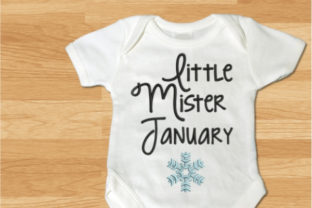
When browsing for a new seasonal embroidery file, the visual appeal is the first hook. Little Mr January Snowflake immediately caught my eye with its classic, clean winter aesthetic. It’s not overly whimsical or cartoonish; it has a quiet, decorative charm. The combination of a simple snowflake icon paired with the “Little Mister January” text speaks directly to a specific, popular niche: commemorative monthly projects. As an embroidery designer considering this for real products, I thought about its personality. It feels gentle, slightly formal, and very giftable.
The First Impression: Visual Mood and Project Fit
The design’s mood is distinctly seasonal without being cluttered. The snowflake is a timeless symbol, and the lettering is straightforward. This isn’t a loud, flashy file. Its strength lies in its clarity and purpose. It naturally fits projects where you want the month to be the star—think baby’s first-year blankets, milestone photo props, or personalized nursery decor. For crafters and Etsy sellers, this visual mood translates directly into a product that feels intentional and handmade, not generic.
From a commercial embroidery perspective, this clarity is a major asset. For custom apparel like sweatshirts or caps, the design is recognizably January-themed without dominating the garment. On a tote bag or apron, it serves as a lovely, subtle seasonal accent. This makes Little Mr January Snowflake versatile for both sentimental handmade gifts and more straightforward boutique merchandise.
Considering Performance on Real Fabrics and Products
The product description mentions it comes in multiple formats and hoop sizes, which is crucial. Before running any embroidery file on a customer’s item, I always consider its technical execution. With a design like this, the small lettering is the primary point of attention. “Little Mister January” is not a large text block. On textured fabrics like a cozy sweatshirt or a thick baby blanket, those tiny satin stitches need to be crisp.
I would strongly advise testing Little Mr January Snowflake on scrap fabric first, especially if you plan to use it on stretchy material like a cap or on dark fabric where thread contrast is vital. The snowflake icon, likely composed of fill stitches or satin outlines, could have areas of density that require the correct stabilizer to prevent puckering. For products destined for frequent washing, like kitchen towels or aprons, a well-digitized file with secure stitches is essential for longevity, which builds buyer trust in your handmade products.
Practical Notes for Caps and Patches
If you’re considering this for curved cap surfaces or as a standalone embroidered patch, the available hoop sizes become critical. Smaller hoop sizes are great for caps, but you must ensure the design’s details—particularly the small text—remain legible at that reduced scale. For a patch, the entire design needs to feel cohesive and dense enough to stand alone. The product page on Creative Fabrica should specify the exact hoop sizes included; confirming this before starting your project is a non-negotiable step for professional results.
Affecting Product Value and Customer Appeal
Using a well-designed embroidery file like Little Mr January Snowflake can significantly elevate your finished product’s perceived value. For Etsy sellers and craft fair vendors, items featuring clear, charming monthly themes attract buyers looking for personalized gifts. A baby blanket with a clean January marker feels more special and curated. This directly supports brand consistency if you offer a series of monthly designs.
The design’s visual appeal also aids in product photography. Its uncluttered layout makes for clean, attractive mockups, whether digital or photographed on actual items. This enhances customer engagement—a customer can immediately understand the product’s purpose. For digital product sellers offering printable mockups, this design acts as a strong, versatile asset for creating compelling visuals.
A Checklist Before You Stitch
Embarking on a project with any new embroidery file requires a practical routine. Here is my typical process for a design like Little Mr January Snowflake, which I recommend to fellow embroidery designers and apparel decorators.
- Review the Product Page Thoroughly: Confirm the listed 9 formats for your machine compatibility and the 4 hoop sizes. Understand the licensing terms for commercial use if you plan to sell finished items.
- Plan Your Thread Colors: Consider the project fabric. The design likely uses a limited color palette. Test thread contrast, especially for dark fabrics where a lighter snowflake might need a backing or different thread choice.
- Select the Right Stabilizer: Based on your fabric—stretchy, woven, thick—choose a stabilizer that will support the stitch density, particularly in the snowflake and the small text areas.
- Run a Test on Scrap Fabric: This is the most important step. It reveals any potential issues with stitch density, registration of small letters, or hoop alignment. It also gives you a feel for the actual stitch count and time required.
- Inspect Small Details After Stitching: Once your test is complete, closely examine the lettering and any layered details in the snowflake. Ensure everything is secure and clear.
- Compare Light and Dark Fabric Mockups: If you sell online, seeing how the design looks on both light and dark backgrounds in your mockups can help customers visualize their choice.
Final Thoughts on Commercial and Handmade Use
Little Mr January Snowflake is a focused, purpose-driven embroidery design. Its value lies in its specific application for January-themed projects. For real-world use on tote bags, baby items, pillow covers, or caps, its success hinges on the digitizer’s skill in handling the small text and the embroiderer’s attention to proper setup. It’s not a one-size-fits-all file for every winter project, but for the niche it serves—monthly photos, seasonal gifts, and January decor—it has the potential to be a reliable, appealing asset in your embroidery library.
The key is to approach it as a professional: verify the technical details provided by Creative Fabrica, test meticulously, and pair it with quality materials. When executed well, this design can help create handmade products that feel thoughtful, well-crafted, and perfectly suited for a winter month, ultimately supporting your reputation as a skilled embroidery designer or seller.