Yum Applique: A Fast-Selling Embroidery Design for Craft Fair Foodies
First Impressions: Bold, Friendly, and Universally Understood
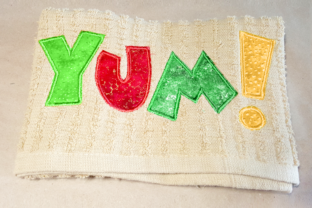
When I first opened the Yum Applique design file, my immediate thought was: this is a winner for a weekend market. The design isn’t trying to be overly clever or niche. It’s bold, friendly, and speaks directly to a universal experience—the pleasure of good food. The applique letters spelling “YUM” have a certain handmade charm that fits perfectly within the rustic, farmhouse, and modern cottagecore trends that dominate handmade markets right now. It feels celebratory without being explicitly festive, which is a huge advantage. This isn’t just a Thanksgiving design; it’s for any food-related event, item, or simply for anyone who loves their kitchen.
Where Yum Applique Stands Out on Your Craft Fair Table
Visualizing my booth, I mentally place Yum Applique on several key products. Its success hinges on choosing the right canvas.
- Tote Bags & Market Bags: This is a prime location. A large Yum Applique on a natural canvas tote bag instantly becomes a statement piece. It’s practical, photogenic, and customers can envision using it for grocery trips or as a library bag. The bold letters read clearly from a distance.
- Aprons & Kitchen Towels: Here, the design feels native. An apron with Yum embroidered across the chest or pocket is both decorative and functional. On a tea towel, it becomes a delightful accent. The textured fabric of towels can be tricky, but the applique technique, with its likely solid fabric pieces, should handle it well, adding a premium, handmade quality.
- Embroidered Patches & Pouches: For a lower-price-point item, a Yum Applique patch is fantastic. Patches are hot right now. This design is simple enough to remain clear even at smaller hoop sizes, making it perfect for iron-on or sew-on patches for jackets, bags, or hats. Small fabric pouches with this design become quick, giftable items.
- Caps & Pillow Covers: I’d proceed with caution here. Caps have curved surfaces; a design with large, solid applique areas needs careful stabilizer choice to avoid puckering. For pillow covers in a kitchen or dining area, however, it could be a charming, soft accent piece.
The Practical Production Review: From File to Finished Product
The product description notes 9 formats and 4 hoop sizes included. This is a significant advantage for small shop owners and commercial embroidery production. Having multiple formats means I can use it with different machines, and the four hoop sizes offer flexibility. I can batch-produce small patches on one hoop and larger tote bags on another, all from the same purchase. The steps separated by color changes also suggests a well-organized machine embroidery design file, making production smoother.
Critical Checks Before Your First Stitch
Before I run this on any product destined for sale, here’s my standard review checklist:
- Test on Scrap Fabric: Always stitch out the design, especially at your intended hoop size, on a scrap of the exact fabric you plan to use (e.g., canvas, linen, cotton towel). This reveals any issues with stitch density or tension.
- Check Thread & Fabric Contrast: The word “YUM” needs to pop. On dark fabrics, you’ll need bright, high-contrast thread and possibly applique fabric. On light fabrics, the opposite. Test a few combinations.
- Review Small-Size Clarity: If you plan to use the smallest included hoop size for patches or caps, stitch it out. Tiny lettering or details can get lost. Yum Applique looks bold, but I need to confirm the letters remain distinct at a 3-inch size, for instance.
- Confirm Licensing for Commercial Use: The description doesn’t specify license terms. As a digital seller of finished products, I must verify I have the commercial rights to sell items embroidered with this design before I produce anything.
- Create a Real Mockup: Don’t just rely on printable mockups for your Etsy listings. Make at least one real, finished product. This shows you the true handmade product quality, how it feels, and how it photographs for your online shop.
Selling Power & Booth Display Dynamics
Yum Applique has inherent selling power. Its message is immediate and positive. In a busy craft fair, a customer glancing at your booth will understand the product instantly—it’s about food and enjoyment. This speeds up the decision-making process. On a tote bag design or apron embroidery, it adds perceived value; it transforms a simple item into a specialized, thoughtful one.
For booth display, I would group all Yum Applique products together. A dedicated section creates a mini “foodie collection” that strengthens your brand consistency. A boldly embroidered tote bag hung at the front of the booth acts as a banner for that collection. The design photographs exceptionally well for online listings because it’s graphic and text-based, making your Etsy seller listings clean and easy to comprehend at a glance.
The Batch Production Advantage
For the creative entrepreneur looking to maximize a weekend’s sales, repeatability is key. Yum Applique looks like a design that lends itself to batch production. The steps are separated, there are multiple sizes, and the design itself is not overly complex with thousands of tiny stitches. This means you can efficiently produce a run of, say, 20 tea towels or 15 patches without each one feeling like a unique, labor-intensive ordeal. This efficiency translates into better pricing and higher potential profit at your craft fair product booth.
Final Designer Verdict: A Strategic Addition to Your Lineup
From my point of view as an embroidery designer preparing for a market, Yum Applique is a strategically sound addition to my product lineup. It taps into a popular, evergreen theme (food) with a cheerful, straightforward message. Its provided formats and hoop sizes indicate it’s designed for production flexibility. Its visual strength makes it a standout on larger items like tote bags and aprons, which are high-value sellers, and its scalability down to patch size allows for lower-cost entry points for customers.
My strong recommendation is to focus it on kitchen-lifestyle items: tea towel embroidery, aprons, and canvas bags. These contexts make the most sense to the buyer and highlight the design’s purpose. Always perform the practical pre-production checks, especially on fabric texture and smaller hoop sizes. With that due diligence done, Yum Applique has the potential to be a quick, engaging, and profitable design at your next handmade market.