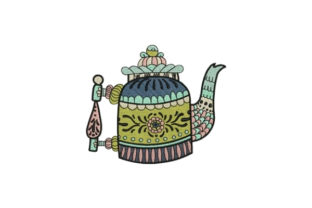
A Professional Review of the Tea Pot Embroidery Design for Boutique Apparel
As an embroidery designer planning a new sweatshirt collection for my small shop, I’m always on Creative Fabrica looking for designs that add charm without overwhelming the garment. The Tea Pot embroidery file caught my eye immediately. It’s a design with a clear, classic personality—cute, but not overly childish; rustic, but still refined enough for a premium feel. This first impression suggests it could be a versatile asset for a range of boutique apparel projects.
The Visual Mood and Decorative Strength of the Tea Pot Design
The design’s character leans towards a playful, cozy classicism. It feels like it would pair beautifully with a lifestyle brand centered around comfort, home, and simple pleasures. For boutique apparel, this means it can convey a specific mood: think rustic cafes, afternoon rituals, and handmade warmth. The detail level appears balanced—likely decorative enough to stand out as a focal point, but not so densely stitched that it becomes cumbersome on softer fabrics like fleece. This makes it a strong candidate for the chest of a hoodie or the front of a tote bag, where it can serve as the sole decorative element and carry the entire visual theme.
Applying Tea Pot to a Sweatshirt and Hoodie Collection
Imagine a neutral, oversized cream sweatshirt. A well-placed Tea Pot embroidery on the left chest area would instantly elevate it from a basic garment to a branded, boutique piece. On a pastel hoodie, like a soft lavender or mint, the design would pop with a gentle, feminine charm. For dark apparel—a charcoal grey or black hoodie—the key would be thread color contrast; using a bright white or a pale cream thread would make the Tea Pot design striking and modern. The scale seems suited for these central placements, offering a recognisable logo-like element that builds product recognition without being too large or bold.
For sleeve accents or smaller applications, one would need to check the provided hoop size details on Creative Fabrica to ensure the design can be reduced appropriately without losing definition. On curved surfaces like sleeves, stabilizer choice becomes paramount to prevent distortion. Similarly, for t-shirt embroidery, the stretch of the fabric requires careful testing to ensure the stitches hold their shape. The design’s likely moderate stitch density should help, but it’s never a guarantee.
Beyond Sweatshirts: Tote Bags, Denim, and Seasonal Merchandise
The application extends naturally to lifestyle products. Stitched onto a canvas tote bag, the Tea Pot design would create a perfect, cohesive accessory to match a sweatshirt collection, strengthening a boutique brand’s identity. On a denim jacket pocket, it could add a delightful, customised touch. For seasonal outfits, especially autumn and winter collections, the ‘tea’ theme resonates with cozy, indoor comfort, making it ideal for limited-edition releases. These applications not only increase the perceived value of the merchandise but also help in creating professional, consistent product photos for Etsy listings and social media graphics. A clean embroidery like this looks excellent in printable mockups and real-life lifestyle shots, which builds buyer trust and customer engagement.
Practical Considerations for Commercial Embroidery Use
Before running this machine embroidery design on a production batch, there are essential steps every professional takes. First, always stitch it out on scrap fabric that matches your final garment—a piece of sweatshirt fleece, a swatch of ribbed knit, or a sample of the denim you’ll use. This test reveals everything: how the fabric texture interacts with the stitches, whether the stitch density is suitable (too dense can pucker soft fabrics), and what stabilizer works best. Review the thread color contrast against your garment colors; sometimes a slight shift from pure white to a warm ecru can make the design feel more integrated.
Confirm the exact hoop size required from the Creative Fabrica product details. Placement options should be compared physically; a design might look perfect on the chest in a mockup, but on the actual oversized garment, a slightly lower placement might balance better. Crucially, always check the licensing information for the digital embroidery file before selling finished apparel to ensure your commercial use is covered. These details are the foundation of a professional presentation and protect your handmade business.
Where to Use the Tea Pot Design with Care
While versatile, certain applications demand more attention. On very stretchy or ribbed fabrics, even a lovely design can warp if not properly stabilised. Small chest placements on thick fleece need precise hooping to avoid shifts. If the design contains tiny lettering or minute details, those areas might be prone to thread breaks or filling issues on textured fabrics, so a test stitch is non-negotiable. Dark garments require not only contrast but potentially a bolder thread choice to maintain visual strength. For curved surfaces like the shoulder or sleeve, consider whether the design’s shape complements the curve or fights against it. Being mindful of these points ensures the final product looks polished and lasts.
The Value to Your Brand and Customer Perception
Integrating a well-executed, themed design like Tea Pot into your collection does more than decorate a garment. It creates a narrative. Your brand becomes associated with a particular aesthetic—in this case, cozy, rustic charm. This visual consistency across sweatshirts, tote bags, and maybe even aprons or tea towels, builds a stronger, more memorable brand identity. Customers begin to recognise your style, which fosters loyalty. A clean, professional embroidery also signals quality, increasing the perceived value of your custom apparel and justifying a premium price point for Etsy sellers and small shop products. It turns a simple sweatshirt into a story a customer wants to wear.
In summary, the Tea Pot machine embroidery design from Creative Fabrica presents a lovely opportunity for boutique apparel decorators. Its visual mood aligns with current trends for cozy, classic themes, and its decorative strength seems adaptable for chest placements, accessories, and seasonal merchandise. The true key, as with any digital embroidery file, lies in the professional process: testing, confirming technical details, and ensuring the execution matches the design’s potential. When done correctly, it can significantly enhance your collection’s appeal, brand story, and commercial success.