Beaver Animal Embroidery: A Boutique Sweatshirt Design Review
As an embroidery designer preparing a limited sweatshirt drop for a boutique client, every design choice carries weight. The finished product must feel cohesive, premium, and worthy of a small brand’s reputation. When reviewing the Beaver Animal machine embroidery design for this project, my first priority is to visualize it not just as a digital file, but as a finished, stitched product on a premium sweatshirt.
First Impression: Mood and Stitching Personality
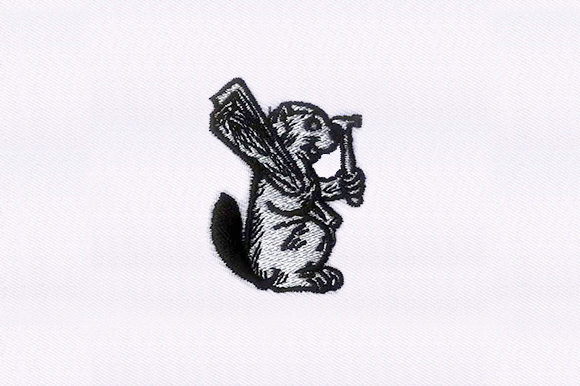
The Beaver Animal design immediately presents itself as adorable, which is a powerful starting point. For a Woodland Animals category piece, this suggests a playful and approachable mood rather than a strictly rustic or bold one. The layout appears centered and balanced, which is ideal for classic chest placement. The detail level, from the description, hints at a design that is decorative but likely not overly minimal; it should have enough character to stand out without feeling overly complex or dense. This stitching personality—cute and detailed—translates into a design that feels both handmade and commercially viable. It’s a charming asset for a brand looking to engage customers with warmth and visual recognition.
Application on Boutique Sweatshirts & Hoodies
My real case scenario involves a collection of neutral, dark, and pastel sweatshirts, including oversized hoodies. The Beaver Animal embroidery file holds promise here.
- On Neutral Sweatshirts: (cream, oatmeal, grey) The design would pop with clean contrast, offering a soft, premium look that leans slightly feminine or casual-cute. It feels like a perfect accent for a cozy, seasonal apparel line.
- On Dark Fabric: (navy, charcoal, black) This is a key test. Success here depends heavily on planned thread color contrast. Assuming the design uses lighter threads, it will become a bold, decorative focal point, elevating a simple hoodie into a statement piece.
- On Pastel Colors: (mint, blush, lavender) The adorable factor amplifies. This combination feels inherently playful and boutique-ready, ideal for lifestyle product photography that appeals to a handmade market.
- As a Sleeve Accent or Back Design: For a more dynamic collection, scaling the Beaver Animal for a smaller sleeve placement could work beautifully, while a larger version on the back of an oversized hoodie would make a strong, casual statement.
For Etsy sellers and small shop product creators, this versatility in application is crucial. It allows for a cohesive line across different apparel items without needing multiple, disparate designs.
Practical Designer Concerns for Commercial Use
Moving from the mood to the machine, several technical considerations directly affect whether this design feels strong enough for commercial apparel use and maintains that premium finish.
- Thread Color Contrast & Fabric Texture: The design must be stitched with thread colors that are intentionally chosen for each base fabric. A dark sweatshirt requires bright, light threads; a pastel base might allow for subtle, tonal stitching. The fabric texture of a premium sweatshirt also interacts with the stitch density.
- Stitch Density & Fabric Thickness: Sweatshirt material is thick. A design with too low stitch density can look sparse and unstable; too high density can cause puckering and feel stiff. The Beaver Animal description notes it’s “high-quality,” which suggests appropriate density, but verifying this in the actual embroidery file before production is essential.
- Stabilizer Choice & Hoop Placement: For a clean result on stretchy sweatshirt fabric, a firm stabilizer is non-negotiable. The hoop size and placement must also be considered to ensure the design sits flat and centered, especially for chest logos on hoodies.
- Small-Size Readability: If using the Beaver Animal for a smaller accent, like on a sleeve, its details must remain clear when stitched at a reduced size. This is a common pitfall for adorable, detailed designs.
- Washing Durability: Boutique merchandise must endure washing. A well-digitized design with secure underpinning and appropriate density will hold up, reinforcing buyer trust. This is a hidden mark of quality that separates amateur from professional custom apparel.
Remember to check the specific stitch count, recommended hoop size, and included file formats in the design assets before starting your production. These details are the blueprint for a successful finished product.
Elevating Brand Value & Customer Engagement
Beyond the stitch, the Beaver Animal design impacts the broader brand story. For a small boutique brand, this embroidery becomes a signature element.
It enhances product value by turning a basic sweatshirt into a designed, handmade product. In Etsy listings and mockup previews, a well-executed embroidery like this conveys care and skill. It supports a brand identity that could be rustic-playful, cozy-cute, or simply nature-inspired within the Woodland Animals theme. The visual recognition is immediate—a charming beaver becomes a memorable logo for the brand.
For customer engagement, an adorable, well-made embroidery creates an emotional connection. It feels personal and decorative, encouraging social shares and lifestyle photos. In a market saturated with plain apparel, this kind of custom embroidery design offers a clear, artisan alternative that digital sellers and creative entrepreneurs can champion.
Final Thoughts for Your Sweatshirt Project
The Beaver Animal machine embroidery design presents a compelling opportunity for a boutique sweatshirt collection. Its adorable, decorative character works across neutral, dark, and pastel fabrics, offering versatility. By paying close attention to the practical embroidery concerns—thread colors, stabilizer, and stitch density for thick fabrics—you can ensure the finished product feels premium and durable. This transforms the digital embroidery file into a tangible asset that boosts your brand’s identity, product value, and connection with your audience. It’s a design that, when stitched with intention, can make your limited drop not just apparel, but a curated experience.