Sitting Unicorn: A Boutique Embroidery Design Review
A Designer's First Impression
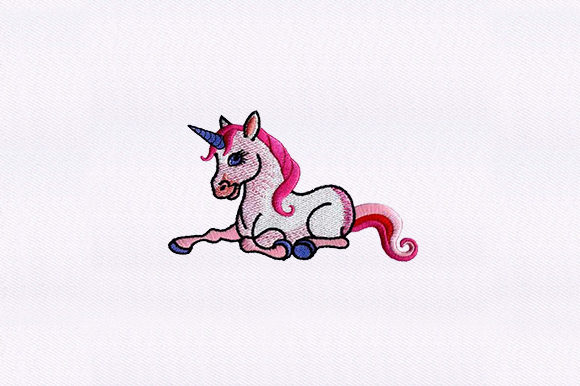
The moment you load the Sitting Unicorn embroidery file, its charm is immediate. This isn't just a unicorn; it’s a character with a posture that feels both regal and playful. The design, fitting perfectly into the Fairy Tales category, carries a gentle, whimsical mood that leans towards cute and feminine without being overly saccharine. It has a decorative quality that suggests it’s meant to be a focal point, not just a tiny accent. The layout feels balanced, inviting a central placement on a garment. For a boutique brand planning a premium sweatshirt collection, this first impression is promising: the design feels special and has the personality to elevate a simple piece of apparel.
Stitching Personality & Premium Appeal
From a professional embroidery designer’s perspective, the crucial question is: does this design feel premium? Based on its described quality, the Sitting Unicorn appears to have a thoughtful level of detail. The stitching personality likely combines clean outlines with subtle fills to create texture, suggesting a design that is more than just a basic outline. On a neutral sweatshirt—a cream, oatmeal, or soft grey—this embroidery would pop with a gentle contrast, offering a sophisticated, almost rustic charm. On dark fabrics like a charcoal or black hoodie, it would become a bold, magical statement, demanding attention. The cute nature of the design makes it inherently versatile; it can skew playful on a pastel pink sweatshirt or feel more artistic and decorative on a deep navy. This adaptability is key for a small shop creating a cohesive yet varied collection.
Practical Considerations for Sweatshirt Embroidery
Applying this to a real project, like a limited sweatshirt drop for an online boutique, requires thinking through several practical designer concerns. Sweatshirts, especially cozy oversized hoodies, present specific challenges. Their fabric thickness and texture require a robust machine embroidery design with adequate stitch density to prevent sinking into the knit. For the Sitting Unicorn, one must consider stabilizer choice—a firm cut-away might be necessary for longevity. Thread color contrast is paramount; selecting threads that are slightly brighter than the fabric can ensure the unicorn’s details remain crisp and readable, even in lifestyle product photography.
Placement is another strategic decision. A chest placement on a hoodie is classic and highly wearable, making the Sitting Unicorn a perfect focal point for boutique merchandise. As a sleeve accent or a larger back design, it could transform the garment into a more decorative, statement piece. However, its small-size readability must be evaluated. Before production, checking the provided embroidery file for its minimum recommended hoop size is essential to ensure finer details like the unicorn’s features remain clear when stitched at a smaller scale for a sleeve.
Building Brand Identity with a Single Design
For Etsy sellers, embroidery shops, and handmade business owners, a design like Sitting Unicorn isn't just decoration; it's a brand-building tool. This design has strong visual recognition. A customer seeing it on a sweatshirt, in your shop’s mockup previews, or on your social media, will begin to associate that magical, cute aesthetic with your brand. It fosters customer engagement because it tells a story—a Fairy Tales story—which people connect with emotionally. When executed well on a high-quality sweatshirt, the finished product screams value. The handmade presentation, evidenced by clean, durable embroidery, builds immense buyer trust. It signals that your small shop product is thoughtful and professionally crafted, not mass-produced.
Commercial Use and Longevity
Is the Sitting Unicorn strong enough for commercial apparel use? For a boutique brand doing a limited drop, the answer hinges on its technical execution. A high-quality embroidery file should account for washing durability, with sensible stitch paths and densities that lock into the fabric. This is a non-negotiable for apparel that will be worn and washed repeatedly. As a professional reviewing this for a premium collection, I would advise testing it on a sample sweatshirt first. Hoop placement must be precise to avoid distortion on the knit fabric. Furthermore, the design should feel robust—not so minimal that it appears frail, but with a decorative strength that promises it will last. These factors directly affect product value and your brand’s reputation.
From Digital File to Finished Product
The journey from the digital embroidery file to a sellable custom apparel piece involves visualization. Using printable mockups and design assets to preview the Sitting Unicorn on various sweatshirt colors—neutral, dark, pastel—is a vital step for creative entrepreneurs. It helps finalize thread color choices and visualize the final collection. For your Etsy listings and website, these mockups are your sales tools. They show potential customers exactly how this cute embroidery will look adorably stitched onto their new favorite hoodie. The description suggests it will look adorable on any fabric, and this is largely true, but proactive testing on different fabric textures (like a fleece-backed sweatshirt versus a lighter cotton blend) ensures that promise is fulfilled.
Ultimately, the Sitting Unicorn machine embroidery design presents a fantastic opportunity for small clothing brands and apparel decorators. It carries a mood that resonates, a detail level that suggests quality, and a versatility that suits a range of boutique styles—from casual and playful to more refined and feminine. By addressing the practical concerns of thread colors, stabilizer, and hoop placement, you can transform this digital file into a premium, durable finished product that enhances your brand identity, engages your audience, and becomes a cherished piece in someone’s wardrobe. Remember, as with any commercial embroidery project, verifying all technical details like specific stitch count and exact file formats included with the design is a crucial final step before production begins.